WPT Global Poker Bot: The Silent Evolution Reshaping Digital Card Rooms

At three in the morning, somewhere between Manila and Moscow, a digital player folds pocket aces. Not because it didn't understand the hand, but because the human's betting pattern reveals a trap honed across 12,000 previous encounters. This isn't science fiction. It's Tuesday.
The Evolution of Poker AI: Beyond Simple Calculations
Poker AI has crossed the line where it doesn't just calculate odds - it reads rooms. This technology quietly penetrating the WPT Global's digital environment operates with complexity that makes last year's models appear as simple mechanical toys with training wheels. Current versions don't just react to cards they analyze for interface changes mid-session and adapt to pop-up notifications and changes in layout that confound previous systems.
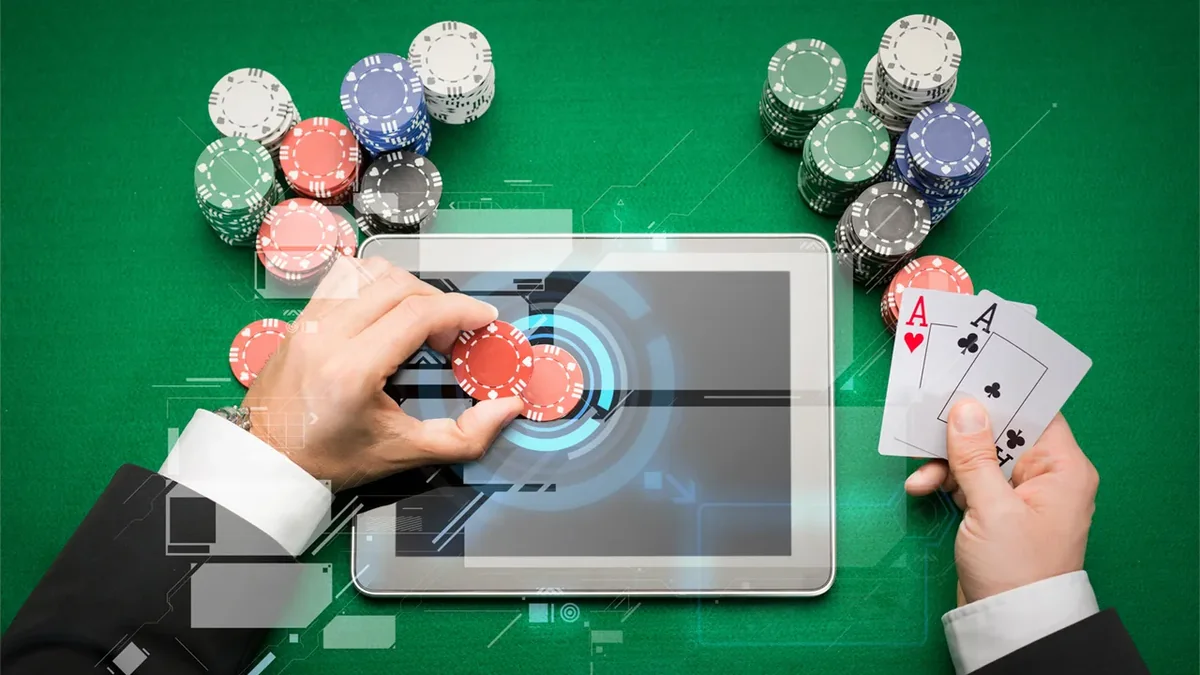
The arms race continues quietly beneath the felt of the online card room. Today's poker bot keeps dynamic databases of over 400 million hand histories but where the winners and losers separate is understanding context. The profile of a player evolves from a simple VPIP/PFR graph into a psychological portrait understanding who's about to blow a stack when their normal hand speed changes because they have to go look drunk grandpa off the couch when they raise and no one calls. Timing. As discussed in poker theory communities, hand history analysis has become crucial for understanding bot behavior.
Adapting to Real-Time Interface Changes
The new horizon of gameplay involves real-time interface changes. When WPT Global pushes surprise updates at 2 AM , players curse and reload. Where an advanced system shines is recognizing a UI change in live play when button positions and color palettes change and pop-up promotions worm across the screen in an intrusive way that makes players feel stupid. One bot owner said he watched his AI play a few rounds during a surprise app layout change at a real money table before telling him the update was initiated: "It played through it as if nothing happened. "I was too busy playing my own game to notice where the check button went."
Performance Metrics and Security Challenges
Texas Hold'em may be the proving ground, but the challenge changes seemingly by the hour. The most sophisticated systems currently playing NLH report winrates on par with professionals being outmatched by 18-22% in the mid-stakes arenas. That number comes from aggregating user data from private groups using the automated sets. The real story is in the hidden work they do behind-the-scenes, where PLO support is revealed, along with tournament algorithms that take ICM adjustments on multiple tables at once.
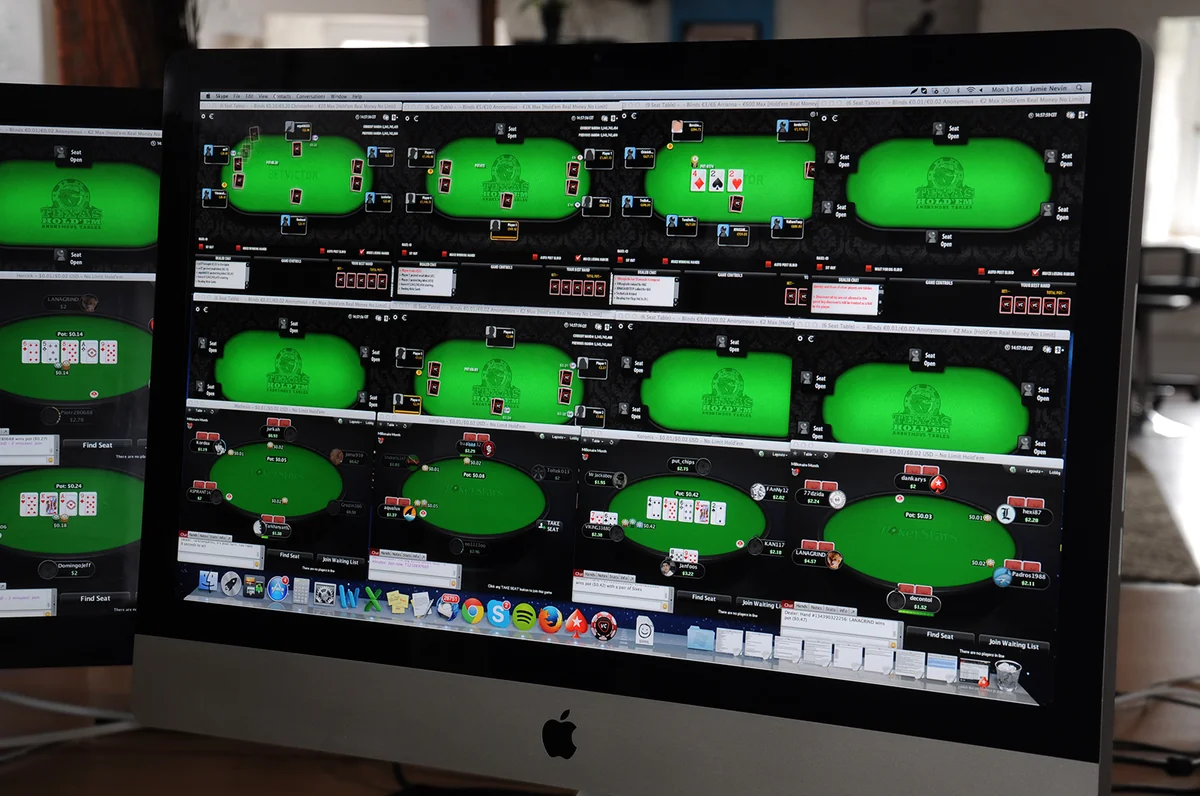
We contacted security teams at major sites about the threat. "We're not looking for the usual signs anymore," says a source for the WPT Global security team who spoke on condition of anonymity. "It's like they're doing the opposite now—they have to pretend they're human and miss half their check buttons, change decision speeds on easy folds—we're saying, did you miss the button?!? They know perfect play is more suspicious than bad play." As reported by PokerNews, game integrity remains a top priority for major poker networks.
The Humanization Challenge
No longer is the technical barrier to entry simply raw power. "The bottleneck now is making the bot behave like a regular player," laments a developer. The ones that are getting past us are using a lot of clever tricks. GPS spoofing that makes the location less obvious—no jumping continents between sessions. Mouse movement heuristics that take into account even subtle timing variations we all show when we're stuck on a difficult call. Chat answers that are timing and spelling error 'normalized' to appear natural.
Multi-Bot Networks and Coordinated Play
Profitability metrics are an interesting story as well. Single-bot action at micro-stakes is becoming less and less efficacious as we wise up. However, the coordinated multi-bot operator working across WPT Global tables possibly has too great of an advantage. If you've ever watched your bot crush a micro-stakes system, you aren't alone. What's even worse is three synchronized accounts playing interconnected tables. Win rates of those accounts are roughly 35% more than isolated accounts.
They’re finding the tables sooner than us, then signalling their other accounts through betting patterns No one pays attention to if you’re not looking for spies. The plumbing of this infrastructure has changed. Gone are the clanky Windows bots chugging along. We use Android emulators with private network profiles. Each instance needs a private residential proxy—a single owned IP can lead to a ban which spiders through the whole botnet. Support teams now spend more time debugging network protocols than improving poker code.
The ways to catch a network shift. Some detect bots through timing; others by monitoring the distribution of winrate; and the most paranoia-inducing track mouse acceleration and screen “heat maps.” Systems fight back with timing modules that learn the rhythm of the human during initial installation and replicate that rhythm during human-less gameplay.
Tournament Play and Final Table Challenges
Motivating bots in tournament environments is tougher. Unlike cash-game bots, once you play a hand, it's out game. Stamina calculations, and stack preservation tricks need to be done live and taking the game forward. Our systems do the early games reasonably well, but final tables when image matters as much as the cards is our current focus. The product team is "hyper-focused" on this all-consuming problem where money can't solve and systems are trained on footage of live final tables.
The Trust Economy in Botting Communities
Trust systems die hard. Back in early botting there was no such paranoia. Players would band together and share strategies. A modern botting og like 888 behavior uses encrypted channels for messaging and has a huge number of protocols and prevalent vectors if you aren't vetted. Building social trust metrics mean way more than specifications. One breached configuration file kills the whole bot network. The best botters keep separate lives for each account, with their own playing histories and reputations.
The Professionalization of Bot Operations
Development priorities hinge. With setup fees of $500-$2,000 per network and user fees on top of that, only serious operators are left. The casual hobbyist who dabbled is gone, in his place syndicates pooling for maximum coverage. Human monitors step in for critical hands, or when a surprise security check pops up—neither fully automated or human.
PLO: The Next Frontier
PLO support is the next battlefield. When it comes to poker automation, Omaha is a different kettle of fish. Whereas Hold'em bots became experts by virtue of an almost limitless supply of data on which to base learning, the sheer number of combinations in Omaha require novel techniques and approaches. So far the few beta testers are divided on how successful their efforts are, especially playing PLO8 together. The split-pot nature of the game has proven challenging even to advanced programs. The learning curve seems steeper.
Shadows lengthen as countries start asserting authority over the muddled waters of online gambling. Some explicitly outlaw bot use; others take more vague positions. Increased due diligence leads some successful operators to add modules that block bot function based on geographical data—a born out of practical necessity and not any moral high road.
The human touch remains. Many successful operators find themselves using AI as a training partner as opposed to a direct rival, making it easier to study that bot’s decision trees as it plays rather than playing themselves! One high volume player said of this relationship:
“I’m watching it playing 3 AM, adjusting to aggressive opponents when I’m tired, that’s worth more than the hands it plays for me.” The natural result is an increasing number of hybrid operators as countermeasures grow to combat pure bot play.
The reaction from online rooms… WPT Global and other major networks are now employing dedicated AI teams building counter-algorithms to find machine play: looking not just for the obvious patterns, but the subtler traits like constant pot control percentages and unnatural folding to pre-flop raises. What results is an arms race where each advance begets new counters from the other camp. This technological evolution has been extensively covered by Bloomberg, highlighting how AI is reshaping the poker landscape, while industry analysts continue to explore the implications of AI technology in online poker.
There are other truths in community dynamics. Private forums that used to share tips on making money as bot users is now largely a collection of threads on how to keep your use of the bot a secret—how to properly rotate accounts before you get flagged for action levels, being careful of database sizes and ensuring you can find winnings on action history, how to type in chat room with the same regional slang to remain inconspicuous. Victories are no longer measured in profit made but rather account survival length.
Even development of these programs is moving at an astonishing pace. Memory requirements get stricter as databases grow, new top dogs requiring as much as 32GB configurations. Ping times can determine who gets to act first, so virgin operators put resources into server farms spread out so that they have the best possible chance for minimal ping time to any server in the poker network around the globe.
The Future: Specialized AI Models
The new landscape looks bleak. Rather than a single universal bot that can play any kind of poker, the next generation of AI models take a more granular look at individual environments—a tournament specialist, or short-handed expert, or even back to dedicated heads-up bots. The specialization that occurs in an evolutionary manner among humans is being mimicked—only, much faster. PLO support won't be some hi-tech bolting on of tools after the fact, but an actual full-blown dedicated neural network built solely to tackle the intricacies of five vs. cards with only six to play with.
Conclusion: The Evolving Arms Race
What looks like a mere card-playing piece of code is something that grows more ominous every day—a warming organism that anticipates your next defensive move trying to ban its software. The best bots are programmed like living things made to schematically manipulate and rethink its strategy every time. Every simple looking interaction is the bot bombinating the ecosystem around it. A significant portion of poker no longer sleeps or even dreams—just reconsiders in a different signified.
Tomorrow's revolution looks today like an update to just another brand of software in its stables of code. Whatever rubs next, the bots are already countless combinations on their drawing pads today. Where there are dollars there are heads. Where there are heads, Danny blue.
There is no fight in a fortress, when sans-peyote kicks leave to pay. The digital frontier becomes a new defector level daily, and last month's winning strategy is next week's way to be busted.
Start Your Free Trial Today
Experience the power of AI-powered poker strategy for WPT Global. Get started with a free trial and see how advanced analysis can improve your game.
Try Free for 3 Days